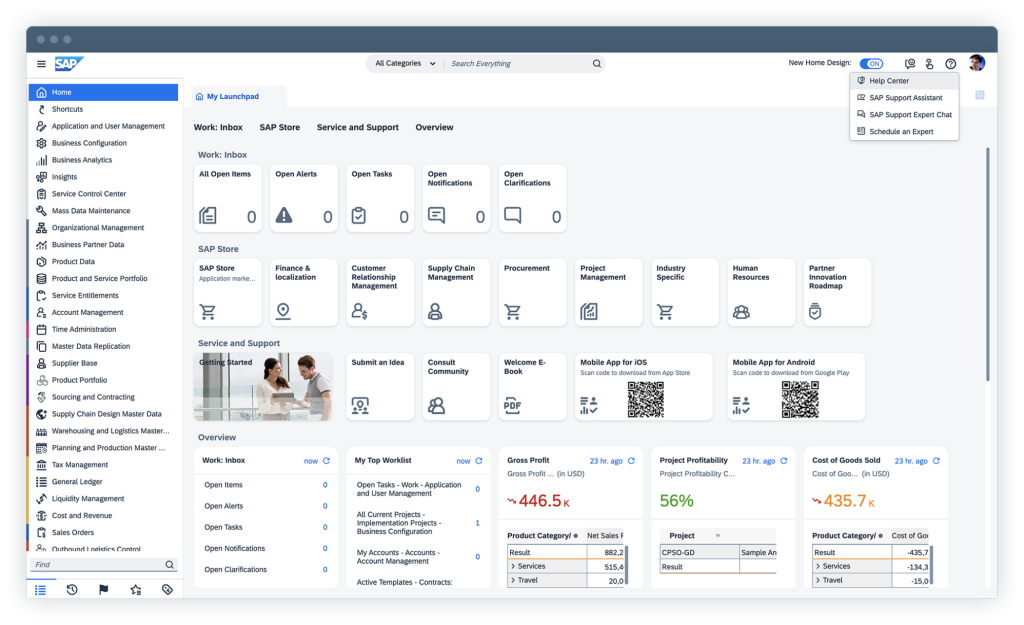
In today’s fast-moving digital economy, every organization needs real-time insights, agile business processes, and scalable systems that can quickly respond to market changes. Traditional on-premise ERP solutions often struggle to keep up. That’s why more businesses are shifting to SAP Cloud ERP — a modern platform designed to support continuous innovation and sustainable growth.
This comprehensive guide will explain what SAP Cloud ERP is, how it works, its benefits, key features, and what organizations should expect when transitioning to the cloud.
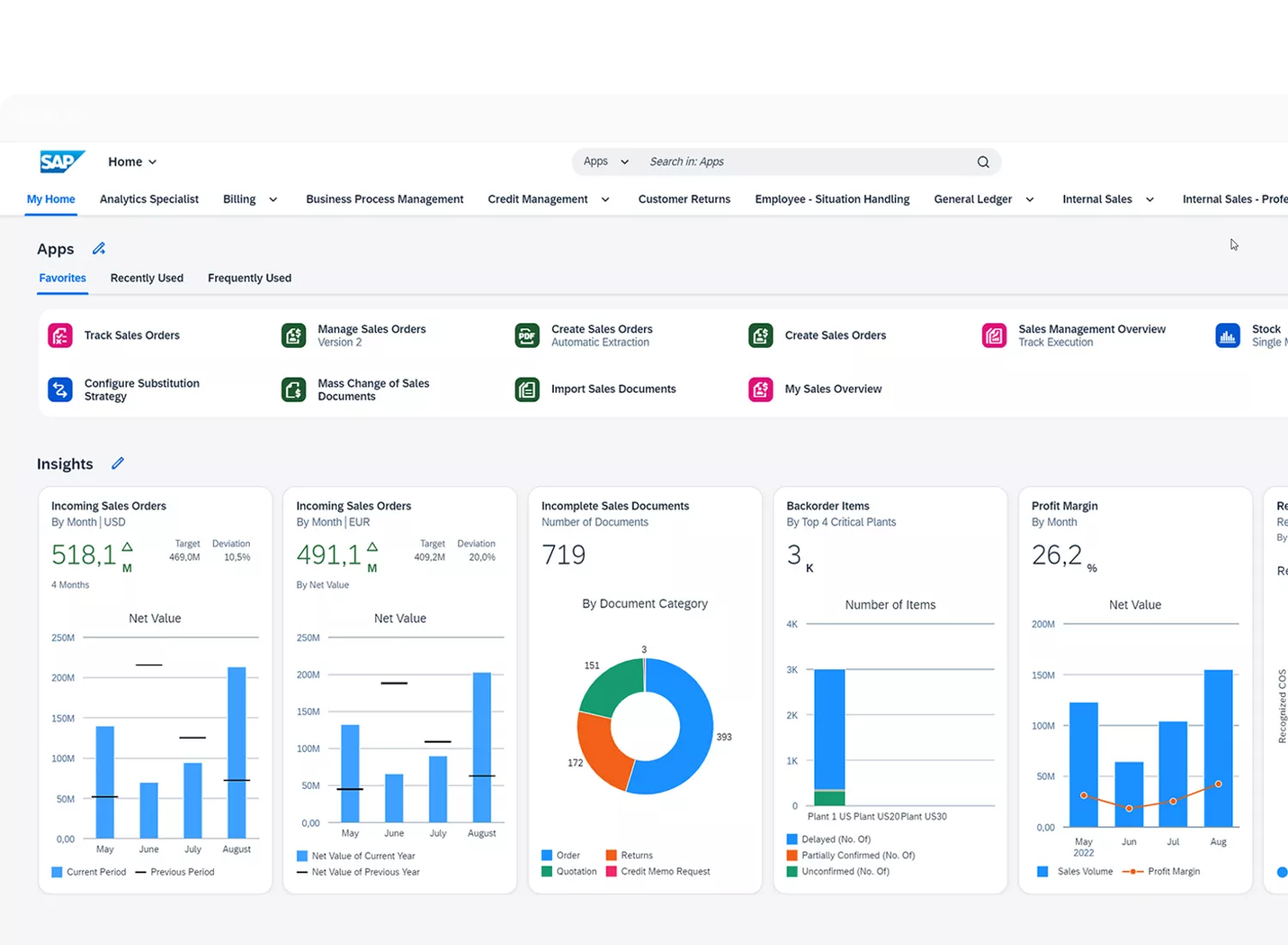
What is SAP Cloud ERP?
SAP Cloud ERP is a suite of intelligent, cloud-based enterprise resource planning solutions developed by SAP, designed to help organizations streamline and automate core business processes — from finance and supply chain to procurement, human resources, and customer service.
At the center of SAP’s cloud ERP strategy is SAP S/4HANA Cloud, built on the powerful in-memory SAP HANA database. It enables:
✔ Real-time data processing
✔ AI-driven automation
✔ Continuous updates and scalability
✔ Seamless integration across business units
Whether a business is expanding globally or optimizing current operations, SAP Cloud ERP delivers the flexibility required in today’s competitive landscape.
Why SAP Cloud ERP Matters in Digital Transformation
Modern enterprises must innovate faster than ever. SAP Cloud ERP positions companies for long-term success by:
Eliminating outdated, manual processes
Providing advanced analytics for data-driven decisions
Improving customer experiences through connected operations
Supporting new business models with rapid scalability
Organizations that adopt a cloud ERP system see stronger resilience during disruptions, faster time-to-market, and lower operational risk.
“Whether a business is expanding globally or optimizing current operations, SAP Cloud ERP delivers the flexibility required in today’s competitive landscape."
Key Features of SAP Cloud ERP
SAP Cloud ERP comes with intelligent tools that reduce manual work and improve operational accuracy.
Real-Time Analytics & Insights
The SAP HANA database processes massive data instantly, enabling:
Predictive analytics
Real-time dashboards
Faster reporting cycles
Leaders can make faster decisions with confidence.
AI-Enabled Automation
SAP uses machine learning and robotic process automation (RPA) to eliminate repetitive tasks like invoice matching or demand forecasting.
Integrated Business Processes
All functions — finance, HR, supply chain, and procurement — operate on a single source of truth, enhancing collaboration and reducing errors.
Industry-Specific Capabilities
SAP Cloud ERP offers tailored features for:
Manufacturing
Retail & CPG
Public sector
Energy and utilities
Life sciences
Professional services
This reduces customization and speeds up implementation.
Strong Security & Compliance
SAP Cloud ERP includes built-in security frameworks that protect sensitive business data and support global compliance standards such as GDPR.
Business Benefits of SAP Cloud ERP
Investing in SAP Cloud ERP unlocks major value:
Lower IT costs
No need to manage hardware or large upgrade projects.
Faster innovation
Automatic feature enhancements from SAP ensure continuous modernization.
Improved productivity
Automation frees employees from manual workloads.
Scalable growth
Easily add users, capabilities, or global entities as business evolves.
Better compliance & governance
Centralized control minimizes risk.
Enhanced customer experience
Real-time insights improve responsiveness and service levels.
A cloud ERP system becomes a strategic enabler, not just a business tool.
Cloud Migration: How Do Businesses Move to SAP Cloud ERP?
Transitioning to SAP Cloud ERP is a major step — but proper planning ensures a smooth migration. Most companies follow one of three approaches:
Greenfield Implementation
Fresh start with redesigned processes
Best for outdated or highly customized systems
Brownfield Migration
System conversion from SAP ECC to SAP S/4HANA Cloud
Preserves existing business processes
Hybrid Transformation
Some operations shift to cloud while others remain on-premise temporarily
SAP and its partner ecosystem provide guided tools like SAP Activate, offering best practices, methodologies, and accelerators that reduce project risk.
Integration Capabilities
To maximize value, SAP Cloud ERP integrates with:
Other SAP cloud solutions (Ariba, SuccessFactors, Concur, Customer Experience)
Third-party software via APIs
Legacy systems during hybrid deployment
This ensures business continuity and a connected digital ecosystem.
SAP Cloud ERP and the Intelligent Enterprise Strategy
SAP Cloud ERP plays a central role in SAP’s Intelligent Enterprise vision — using AI, machine learning, and advanced analytics to:
Predict outcomes
Automate operations
Optimize continuously
Real-World Use Cases
Organizations across industries are achieving breakthroughs with SAP Cloud ERP:
A consumer goods company reduced inventory costs by 20% with real-time planning.
A manufacturing firm improved on-time delivery to 98% with automated workflows.
A professional services company shortened financial closing from weeks to days.
These wins demonstrate how cloud ERP translates directly into business value.
Security, Compliance & Trust
Security is a top priority in cloud operations. SAP guarantees:
Data encryption in transit and at rest
Continuous threat monitoring
Role-based access control
Automated compliance updates
SAP also maintains a global network of highly secure data centers to meet regional requirements.
How to Choose the Right SAP Cloud ERP Edition
Before adopting SAP Cloud ERP, companies should evaluate:
- Size and complexity of operations
- Industry-specific requirements
- Integration needs with existing tools
- IT resource availability
- Budget and implementation timeline
SAP partners typically assess maturity levels and define the best roadmap for transformation.
Future of SAP Cloud ERP
SAP continues to invest heavily in:
GenAI and conversational interfaces
Sustainability tracking for ESG reporting
Hyperautomation across finance and supply chain
Continuous system innovations with rapid release cycles
The future of ERP is cloud-first, intelligent, and resilient — and SAP is leading that evolution.
Final Thoughts
SAP Cloud ERP is more than software — it’s a catalyst for digital transformation. By embracing intelligent automation, real-time insights, and scalable business processes, organizations can unlock new efficiencies and growth opportunities.
Whether you’re a fast-growing mid-market company or a global enterprise, SAP Cloud ERP provides the foundation needed to thrive in a rapidly changing world.
If you’re planning to modernize your IT landscape, now is the ideal time to evaluate SAP Cloud ERP and step confidently into the future of business.